OLD PHOTOS of JAPAN, a photo blog of Japan in the Meiji, Taisho and Showa periods

View Cart Old Photos of Japan
shows photos of Japan between the 1860s and 1930s. In 1854, Japan opened its doors to the outside world for the first time in more than 200 years. It set in motion a truly astounding transformation. As fate would have it, photography had just been invented. As the old country vanished and a new one was born, daring photographers took photos. Discover what life was like with their rare and precious photographs of old Japan.

What makes this site special?
Bookmark this site
Feeds for Old Photos of Japan: RSS and Atom
New Photo Every Day!
01/07/2009 (Wednesday) Kobe Station
Advertising

Japanese Furniture
Asian-inspired furniture and kitchen cabinets from greentea design

Old Books on Japan
Find rare and collectible books on Japan at eBay!

Japanese Friends
Make friends or find your perfect love. 1.5 million+ members!

Good Book Tip
Unbeaten Tracks in Japan • Isabella L. Bird
Unbeaten Tracks in Japan

In 1878, just 12 years after Japan opened it first ports to the world, an adventurous 47-year old woman from the UK set out to explore the interior of Japan. The country was virtually unknown to Westerners, and a woman traveling only with a guide seemed outrageous. Everybody advised her not to, but she went anyway and wrote this unique and vivid journal of what she saw and experienced.


Buy now at Amazon!
More book tips

Okayama 1935 • Practicing Naginata

Tags: Yusa StudioShowaOkayama
Tools: e-cardlicense photolicense text bookmark this
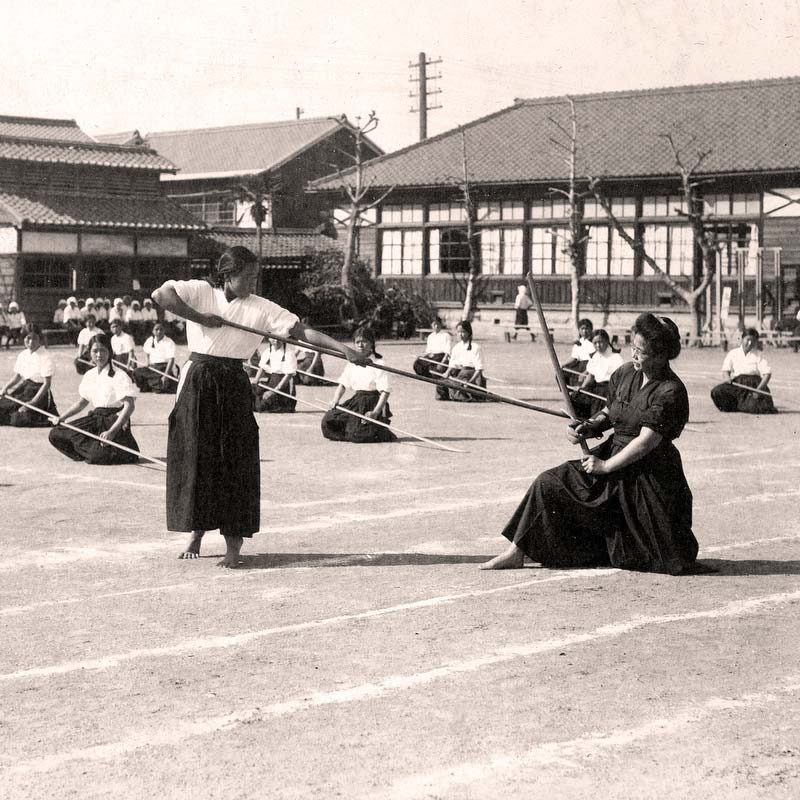
Japanese School Girls Doing Martial Arts

Japanese school girls practicing naginata (薙刀). Naginata is a pole weapon traditionally used by members of the samurai class. It consists of a wooden shaft with a curved blade on the end. In the modern martial art form of naginata, it is carved from one piece of Japanese white oak or it features a replaceable blade constructed from bamboo. Practitioners wear protective armor called bogu (防具). It is very similar to the armor worn by practitioners of kendo. In modern Japan, naginatajutsu is practiced especially by women.

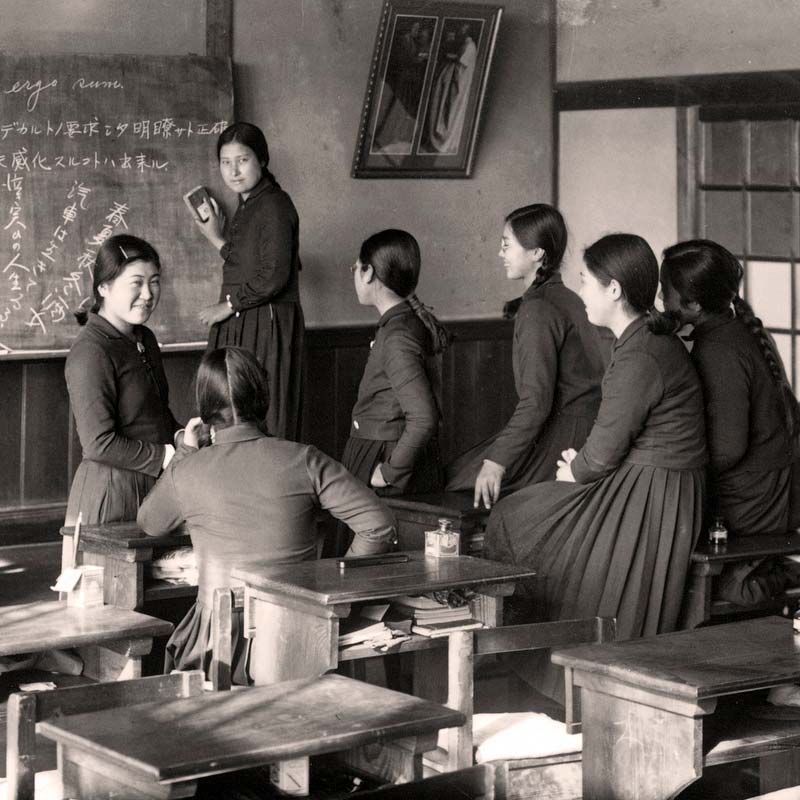
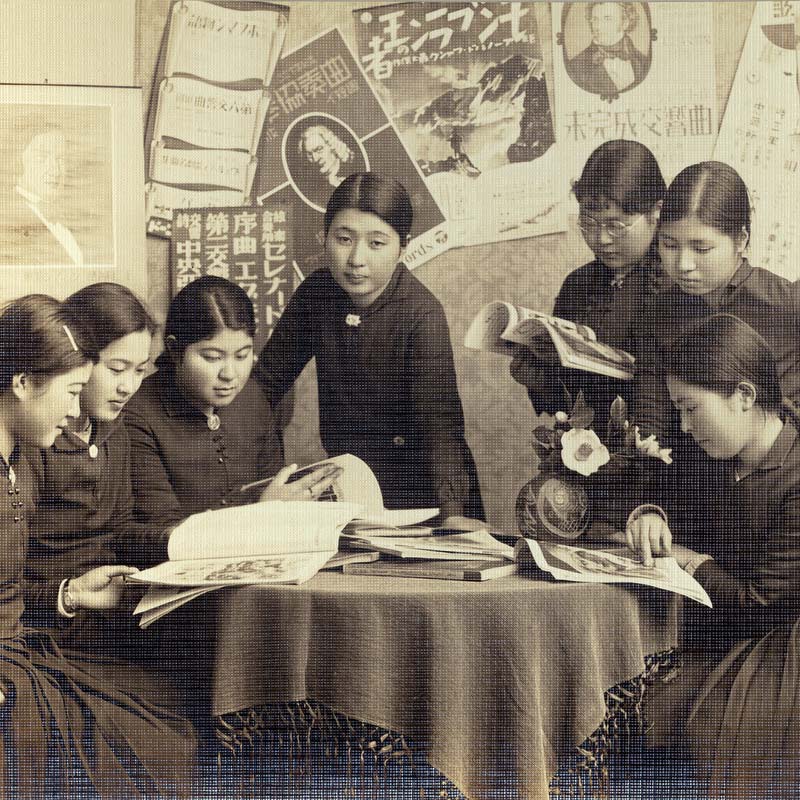
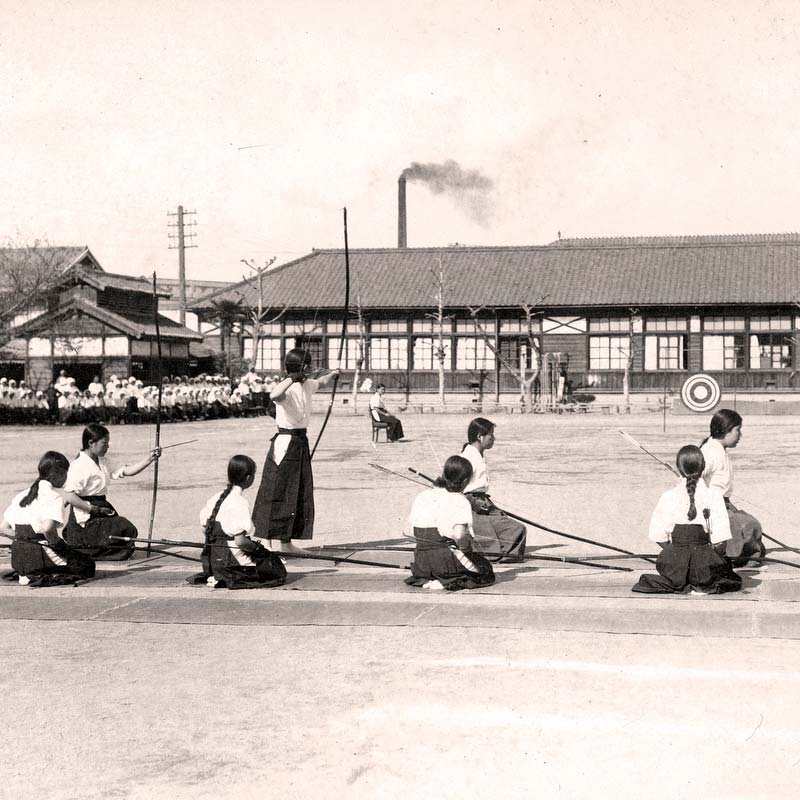
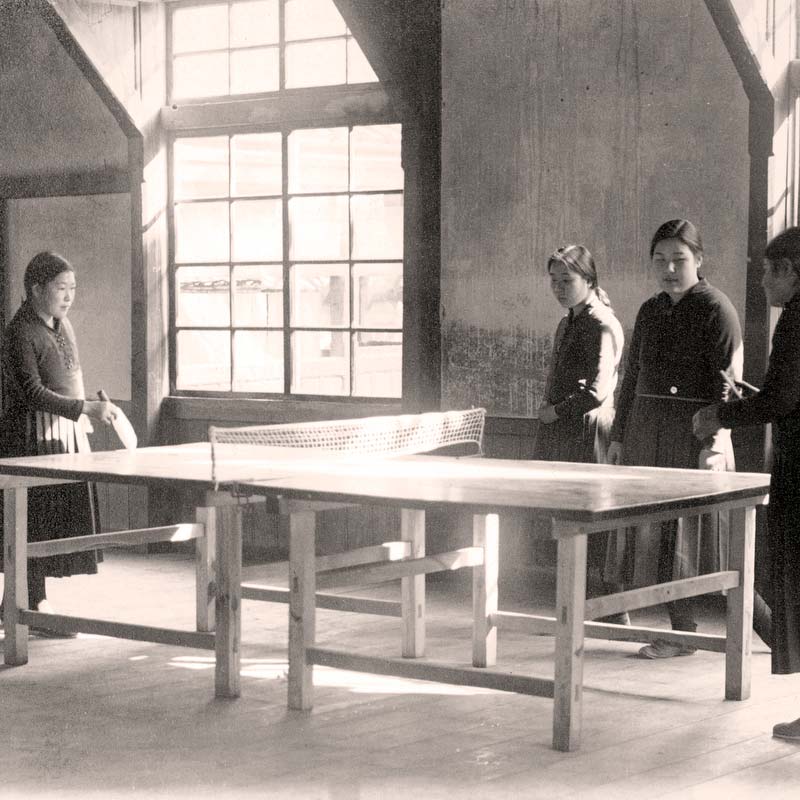
This photo comes from a year album for 1935 of a girls’ school in Okayama City, Japan. The 55 photographs show the female students studying, doing traditional Japanese as well Western sports, playing games, posing, at the train station and about town. The album also includes classroom scenes, portraits of teachers as well as administrative personnel and the Showa era wooden school building itself. For more information about education in Japan during the Meiji, Taisho and early Showa periods, read Okayama 1935 • School Girls Eating Bento.

Related images:

Okayama 1935 • School Girls Eating Bento.
Okayama 1935 • Girls in a Classroom.
Okayama 1935 • School Girls Reading.
Okayama 1935 • Practicing Naginata.
Okayama 1935 • Practicing Kyudo.
Okayama 1935 • Practicing Table Tennis.
Okayama 1935 • Playing Toryanse.

Advertising

Japanese Furniture
Asian-inspired furniture and kitchen cabinets from greentea design

Click here to buy text ads

Map not available
Photographer: Yusa Studio
Publisher: Yusa Studio
Medium: Silver Gelatin Print
Image Number: 70302-0007
Quote this number when you contact us about licensing this image
Blog This!
Paste this into your blog to let your readers know about this vintage photo of Japan:
<a href="http://oldphotosjapan.com/en/photos/318/practicing-naginata">Okayama 1935 • Practicing Naginata</a>

Japanese school girls practicing naginata (薙刀). Naginata is a pole weapon traditionally used by members of the samurai class. It consists of a wooden shaft with a curved blade on the end. In the modern martial art form of naginata, it is carved from one piece of Japanese white oak or it features a replaceable blade constructed from bamboo. Practitioners wear protective armor called bogu (防具). It is very similar to the armor worn by practitioners of kendo. In modern Japan, naginatajutsu is practiced especially by women.

Thumbnail URL: http://oldphotosjapan.com/images/105t.jpg
Posted by Kjeld Duits • 2008-07-28
Add Comment


Textile Help

NOTE: Your e-mail address is required, but will not be displayed.